
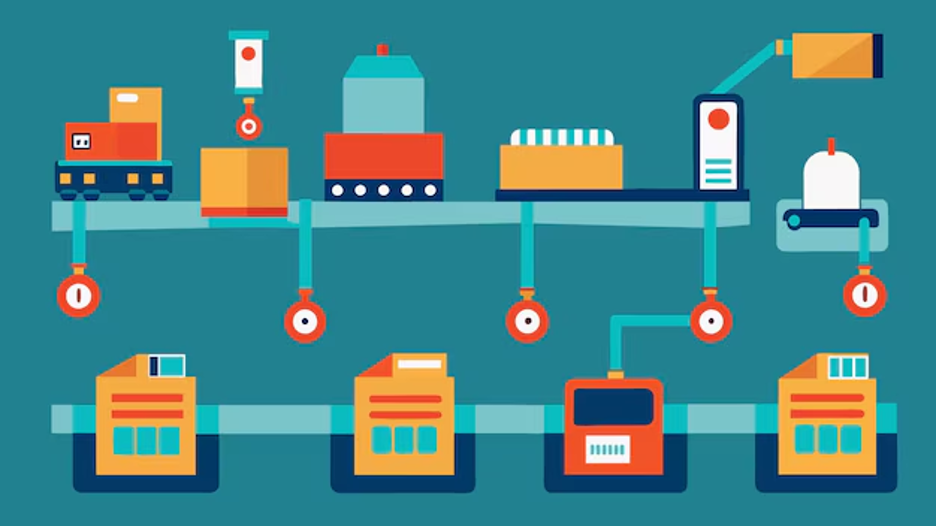
Managing manufacturing overhead is crucial for businesses to maintain profitability and efficiency. Manufacturing overhead refers to the indirect costs incurred during production, which are not directly tied to a specific product. These costs include expenses like factory rent, utilities, equipment depreciation, and the salaries of supervisory staff. Understanding these costs and effectively managing them can make a significant difference in a company’s financial health.
What Are Manufacturing Overheads?
Manufacturing overhead encompasses all costs related to the production process that are not directly linked to a specific product. These costs are essential to keep the production process running smoothly but are harder to trace back to individual products. Common components of manufacturing overhead include:
- Indirect Materials: These are materials used in the production process but not directly included in the final product, such as lubricants and cleaning supplies.
- Indirect Labor: This includes the wages of employees who support production, such as maintenance workers and supervisors.
- Utilities: The costs of electricity, water, and other utilities that keep the factory operational.
- Depreciation: The loss in value of equipment and machinery over time, which is accounted for as an overhead cost.
Understanding these components is critical for accurate product costing, pricing, and profitability analysis.
Methods of Allocating Manufacturing Overhead
To manage manufacturing overhead effectively, companies must allocate these costs accurately to the products they produce. Several methods are commonly used:
- Traditional Costing Method: This method allocates overhead costs based on a single cost driver, such as direct labor hours or machine hours. While simple, this method may not capture the complexity of different products’ use of overhead resources.
- Activity-Based Costing (ABC): ABC allocates overhead based on the actual activities that drive costs. For example, costs are assigned based on the number of production runs or the amount of setup time required for each product. This method provides a more accurate picture of how overhead costs are consumed but is more complex to implement.
- Time-Driven Activity-Based Costing (TDABC): A variation of ABC, this method uses time as the primary cost driver. It simplifies the process by focusing on the time required for various activities, making it easier to maintain and update.
These methods help ensure that each product carries its fair share of overhead costs, which is essential for accurate product costing and strategic decision-making.
Managing and Reducing Manufacturing Overheads
Effective management of manufacturing overhead involves both understanding the costs involved and taking steps to reduce them. Here are some strategies:
- Implement Lean Manufacturing Principles: Lean manufacturing focuses on reducing waste and optimizing processes. By eliminating non-value-added activities, companies can significantly reduce overhead costs.
- Invest in Technology: Automation and advanced manufacturing technologies can increase productivity and reduce labor costs. For example, using energy-efficient equipment and monitoring utility usage with smart meters can lead to substantial savings on utility expenses.
- Regular Maintenance and Depreciation Management: Proper maintenance of equipment can extend its life and reduce depreciation costs. Implementing predictive maintenance schedules can prevent costly breakdowns and downtime.
- Outsource Non-Core Activities: Outsourcing tasks like payroll processing or IT support can reduce overhead costs and allow the company to focus on core production activities.
Managing manufacturing overhead is an ongoing process that requires a clear understanding of costs and careful allocation. By using the right costing methods and employing strategies to reduce overhead, companies can improve their profitability and maintain a competitive edge in the market. Regular review and adjustment of these strategies are essential to ensure they remain aligned with the company’s production realities and financial goals.
This strategic approach to overhead management not only helps in accurate product costing but also enhances overall operational efficiency, ensuring the long-term sustainability of the business.