
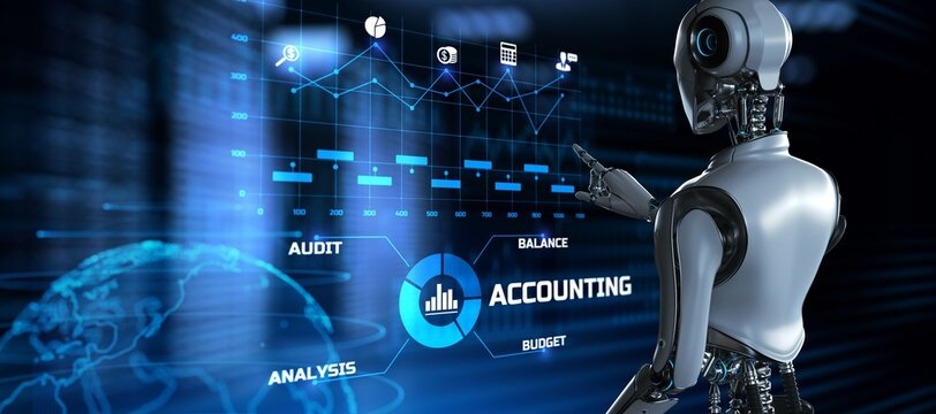
Today, speed and correctness in accounting are more relevant than ever. Automation in accounting is not a defining trend; it’s a strategic way of optimizing operations, eliminating mistakes, and creating free time for strategic assignments. This blog article introduces automating various accounting processes and highlights ways technology can transform business operations from traditional accounting practices.
Invoicing
Invoicing is a pivotal component of any business, functioning as the central artery that carries commercial trade transactions forward. It ensures that goods sold or services provided will be billed for that manually done, which can be time-consuming and vulnerable to human error.
Automated invoicing systems facilitate the transition from service to customer billing. These systems provide invoices function of automatic generation via predefined criteria like service completion or goods delivery. They can send invoices in PDFs directly to clients, track payments, and send reminders for overdue payments. This increases billing speed and guarantees consistency and accuracy in client bills.
Payment Reminders
Nevertheless, timely payments are the driving force of healthy cash flow. Automating payment reminders will help businesses efficiently deal with their receivables and proceed with a steady revenue flow. Timely payment reminders are necessary to maintain positive cash flow and ensure the AR is collected within the promised due date. Chasing manually which invoices are due or overdue is challenging, and therefore, businesses can hardly accomplish this if it has a large number of transactions.
Bill Payments with bill.com
Budgeting the outgoings in business, like bill payments, is a very important but quite time-consuming task. Automation here with bill.com or other solutions can ensure payment is made on time and effectively manage your outgoing finances at the end of the month. Conventional bill payment methods contain manual checks and balances that are time-consuming and subject to human error.
Expense Management
For this reason, expense management plays a great role in cost control and expense overrunning prevention. Automating this process will enable real-time analysis of expenses as well as a more transparent expense reporting system. Employees can now automatically submit their expenses through automated expense management systems.
The systems then automatically categorize these expenses and add them to the company’s financial records. The system can carry out certain tasks, including expense policy enforcement, claims approval based on predesigned rules, and real-time expense tracking. Such automation minimizes the administrative workload and dramatically increases the correctness of reporting expenses.
Payroll Processing
Salary administration is a tough operation that must be very accurate and fast. Automating the payroll process can prevent mess-ups, be up to standard, and make employees happy. Salary processing is the most important task of the accounting department, including calculating wages, taxes, and employee wages. Besides being time-consuming, manual payroll processing is error-prone, which may hurt employees’ satisfaction and cause legal problems.
The application of automation in accounting will lead to dramatic enhancement of accuracy, efficiency, and strategic thinking. Businesses can benefit from such automation by automating diverse processes like invoicing, payment reminders, bill payments, expense management, financial reporting, and payroll processing to save time and human resources.
This change, in turn, allows the accounting group to attend to another strategic task that eventually pushes the business goals and missions. With technology developing all the time, adopting automation in bookkeeping is possible and even necessary for businesses competing at high speed and high efficiency.